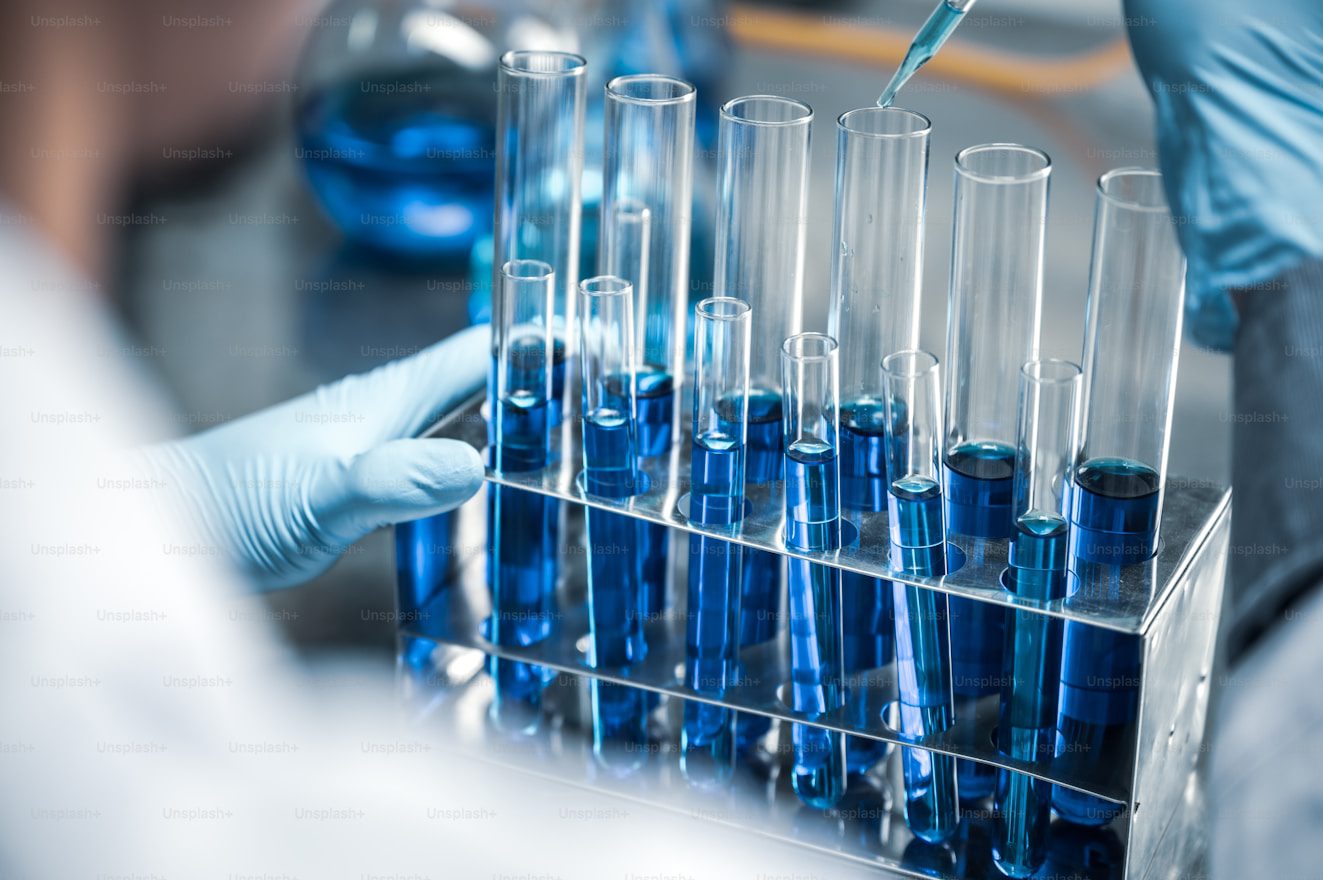
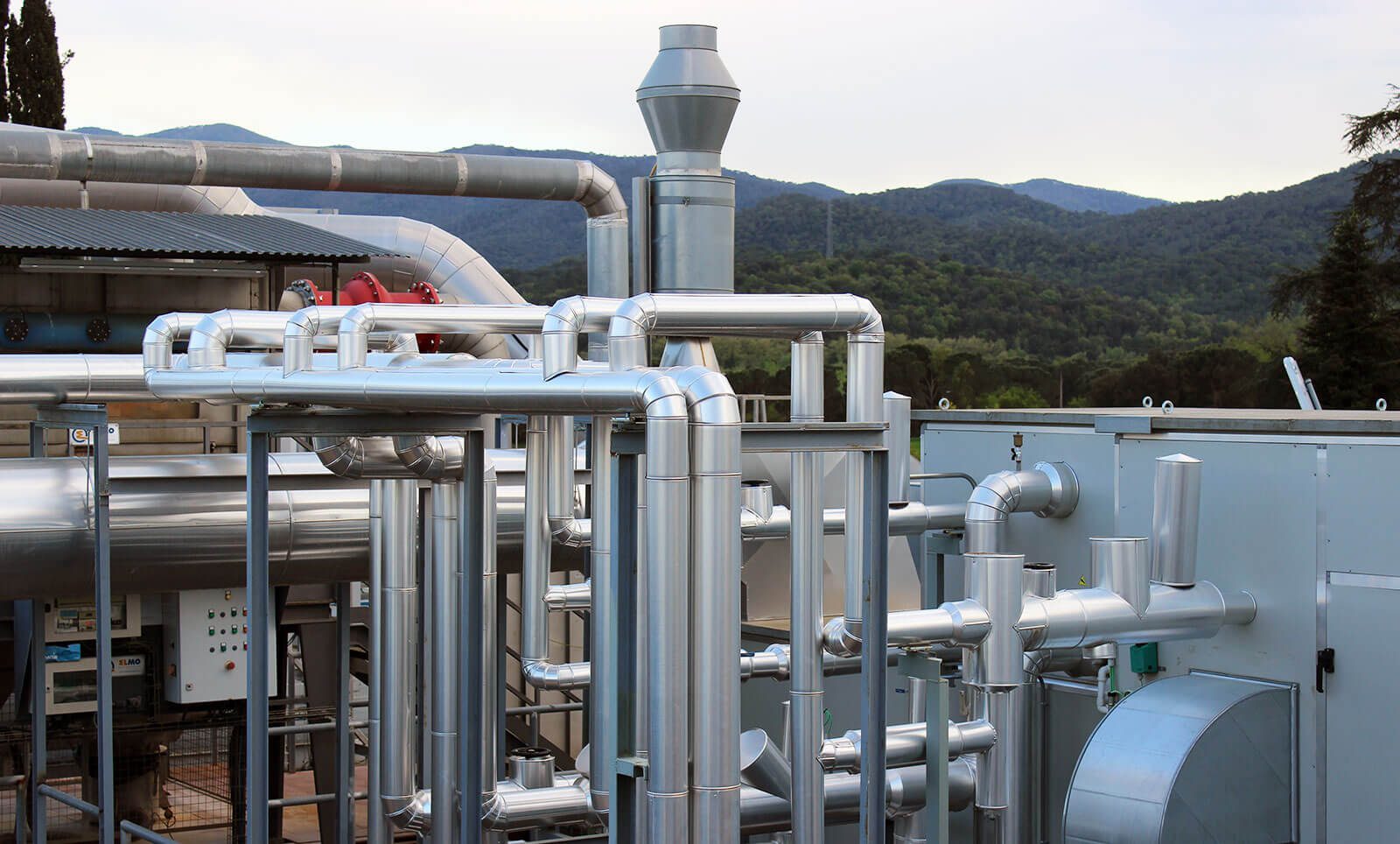
Discover the importance of having the best cleanroom for the cosmetics industry. Did you know that the cosmetics industry is subject to a series of very specific standards and regulations designed to ensure the safety of consumers and workers? Biosafety must be guaranteed throughout the entire cosmetics manufacturing process, and this, of course, also applies to the cleanrooms used in the cosmetics industry.
Cleanrooms in the cosmetics industry adhere to strict regulations designed to ensure safety at all times, as workers handle hazardous chemicals, requiring the utmost care. Therefore, the primary objective of cleanrooms for cosmetics is to guarantee worker safety when handling the products used.
These rooms must meet specific characteristics adapted to the sector, addressing all these safety needs and requirements. This ensures the protection not only of workers but also of the product and its quality. An example of this is the cosmetic booth. These are laminar flow booths defined by delimited work zones, allowing for the isolation of each area and thus preventing contamination. Within this space, a safe ventilation zone is created for handling the product without any threat of external agents that could alter it.
There are up to three types of cosmetic laminar flow booths, which can be further classified into different categories. These include: Class I laminar flow booths: with horizontal and vertical flow; Class II laminar flow cabinets: including type a, type b, and type c; and Class III laminar flow cabinets: consisting of a single model with additional filters to facilitate protection.
We are talking about a highly diversified sector in which a large number of activities take place in research and development (R&D) laboratories, where analyses and manufacturing processes for cosmetic products are carried out.
Hence the importance of keeping the room clean and isolated by a physical barrier composed of partitions, ceilings, and floors between the different areas of the zone, in order to comply with both the design and safety criteria of the cleanroom. Performance is required in terms of its mechanical behavior, geometry, and ergonomics, as well as fire resistance and sound attenuation.
Regarding contamination risks, three appropriate zones are established to ensure safety in the cleanroom. First, for the protection of personnel who may have been contaminated by microorganisms and particles, as well as the environment that may have been contaminated by these agents, and the products, which must always be free of contamination.
On the other hand, a cleanroom for the cosmetics sector must also comply with specific legislation regarding facilities and manufacturing processes for cosmetic products. Therefore, it is important to highlight the FDA Guidelines on cosmetic manufacturing, the European Parliament Regulation on Cosmetic Products of 2009, and ISO 22716:2007 Cosmetics GMP.
All these measures are aimed at ensuring the proper execution of activities carried out in cleanrooms within the cosmetics sector.
As we have seen, cosmetic legislation is subject to various regulations, such as ISO 22716, which governs the manufacture of cosmetics and serves as a best practice guide, and the GMP regulations applied to cosmetics. Both are complemented by the provisions of the European Parliament's Regulation on Cosmetic Products of 2009.
Therefore, all products on the market must comply with these regulations and meet the minimum standards for consumer use. To ensure compliance, inspections of the manufacturing process and safety controls by the relevant authorities are routine.
ISO
The ISO standard for cosmetics encompasses all the regulations focused on addressing the various needs governing the sector, specifically regarding the manufacture of cosmetic products. It serves as a guide for adhering to the different stages of the process involved in product handling, from manufacturing and testing to packaging, storage, and finally, transportation. The characteristics of a cleanroom for the cosmetics industry must allow for compliance with these standards.
GMP
For its part, cosmetic GMP aims to maintain and facilitate optimal safety and quality standards for the product. These regulations are managed by the Spanish Agency for Medicines and Health Products (AEMPS), since the impact of using these final cosmetic products on people can directly affect their health. Therefore, this is the method of control and regulation to achieve a quality final product that meets minimum guarantees for the consumer.
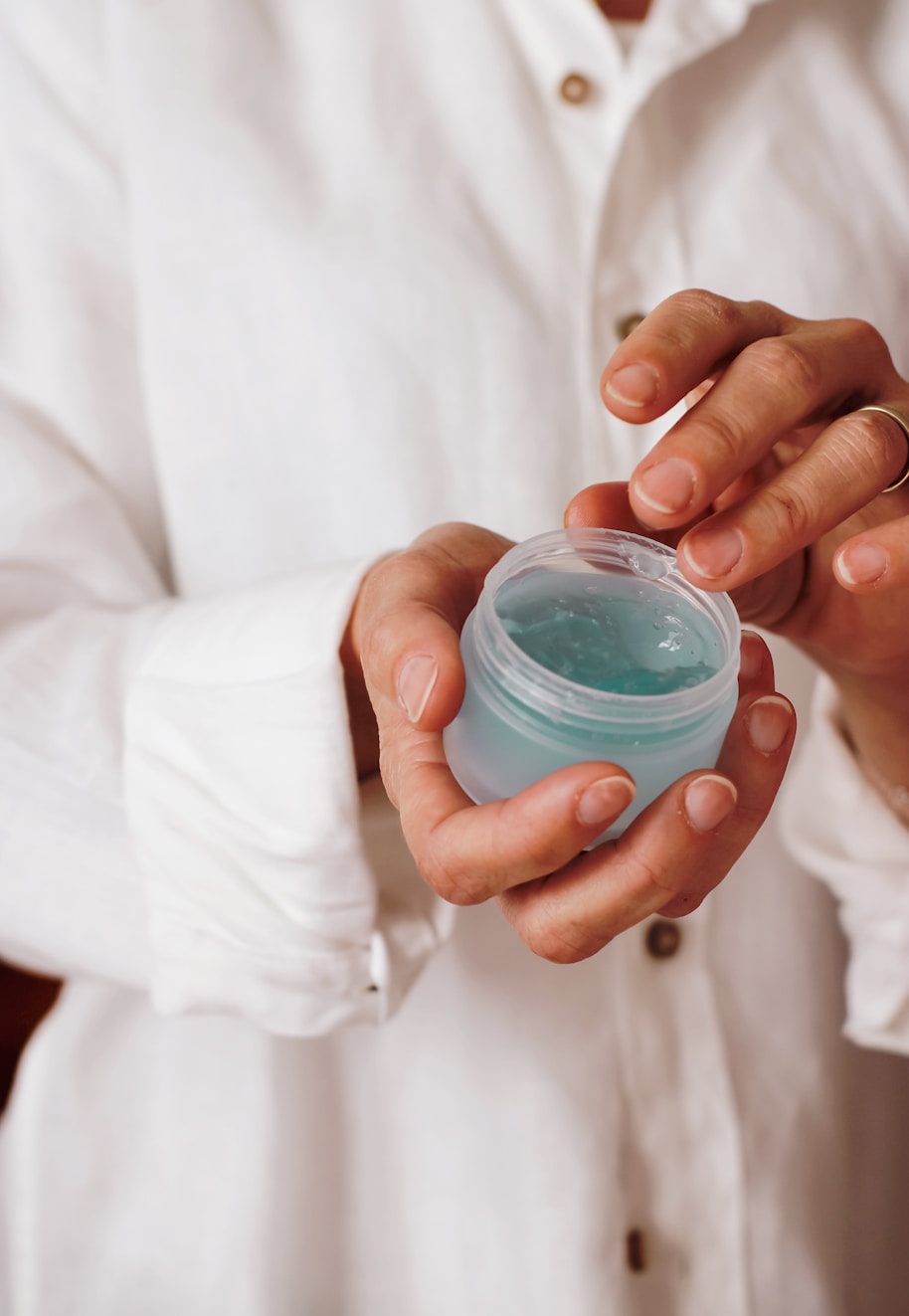
At Labsom, we specialize in cleanrooms and handle their design and installation for all types of sectors, including, of course, the cosmetics industry. Our services include extensive expertise in the cleanroom production process, all under the supervision of professionals. These are the services we offer:
We also apply these cleanroom services to other sectors such as pharmaceuticals, food, and chemicals.
Yes, GMP standards represent good manufacturing practices and, therefore, must be followed at all times, both in the cosmetics production process and with regard to the characteristics of the cleanroom in question, in this and any other sector.
A cleanroom used for cosmetic production must comply with all necessary safety measures to protect personnel, as well as cleaning and safety standards, so that the products can be enjoyed by users with minimal risk. This applies to the cleanroom itself, its equipment, and the operators.
Yes, although cleanrooms in general already have standards that must always be met regardless of their intended use, for each sector there are also certain specific regulations and rules, provided for by law to guarantee safety and proper practices.
These are rooms enclosed on three sides, with a fourth side partially open to allow access to the work surface, and which have directed ventilation of clean air specially adapted to the needs of cosmetic production.