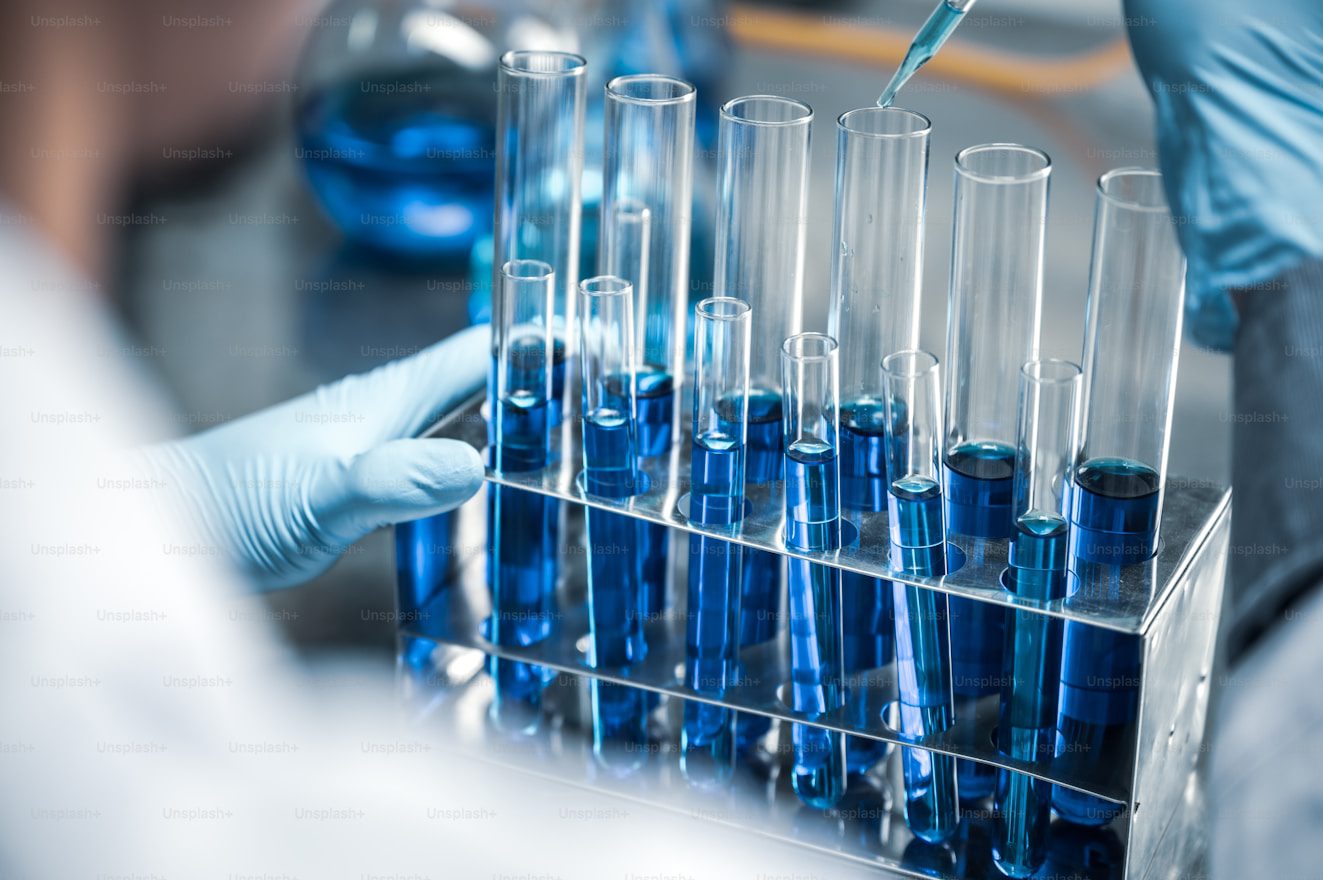
Biological safety cabinets ensure that working conditions are optimal for carrying out potentially hazardous processes. We tell you everything you need to know about biosafety cabinets in cleanrooms.
The construction of cleanrooms in the biosafety sector is a matter that cannot be left to just anyone. As a leading company in the sector, our large team of top engineers and technicians, combined with the latest technological advancements, guarantees high-quality projects, strict control of safety measures, and unwavering commitment to the highest quality standards.
Biological safety cabinets can be defined as enclosed spaces, equipped with safe ventilation systems, that allow for the handling and processing of materials potentially contaminated with various pathogens (such as microviruses). Biosafety cabinets are considered an essential part of any laboratory and countless specialized biomedical units. They vary considerably in size, specifications, features, and construction systems, therefore their installation must be carried out by leading companies in the sector.
According to their safety specifications, biosafety cabinets can be of different classes depending on the processes to be carried out inside the room and the level of safety required:
The first thing you should know when we talk about processes carried out in biosafety cabinets is that biowaste is the process by which various contaminated biological remains, resulting from various production processes, are inactivated and eliminated within the industrial sector using thermal or chemical means. In this process, the safety of operators, the environment, and the complete and absolute inertization of the agents must be the absolute priority.
We define an autoclave as a pressure vessel, made of metal, with thick walls, that allows for the development of high-pressure systems in processes for sterilizing materials or eliminating waste, working with steam at high temperatures (over 100 degrees Celsius). It is the most widely used technique for sterilizing surgical instruments and for the industrial preservation of food or pharmaceuticals, which is why it is important that these types of processes are carried out in safe environments such as biological safety cabinets.
A biological safety cabinet is an enclosed workspace specially designed to carry out processes in which materials and elements possibly contaminated with various pathogens are handled in a way that maintains safety.
A biological safety cabinet operates using ventilation and air purification systems specifically designed to ensure biosafety. These systems minimize both the entry of contaminating particles into the room and the escape of any potentially hazardous agents.
The main difference between the different classes is the level of safety they provide. Class I biosafety cabinets are appropriate for processes requiring a considerable, but not extreme, level of safety. Class II and III cabinets provide increasingly higher levels of biosafety with cleaner air and more controlled conditions to ensure biosecurity.
Biosafety cabinets are essential in sectors that handle potentially hazardous materials such as viruses. The pharmaceutical, biomedical, and hospital industries are examples of sectors that require these facilities to perform certain tasks safely.
In addition to the standards that all cleanrooms must meet, different sectors have specific requirements to ensure the safety of both operators and third parties. Depending on the processes to be carried out, different types of biosafety cabinets will be necessary, but these are all designed to comply with good manufacturing practices and any other specific regulations.