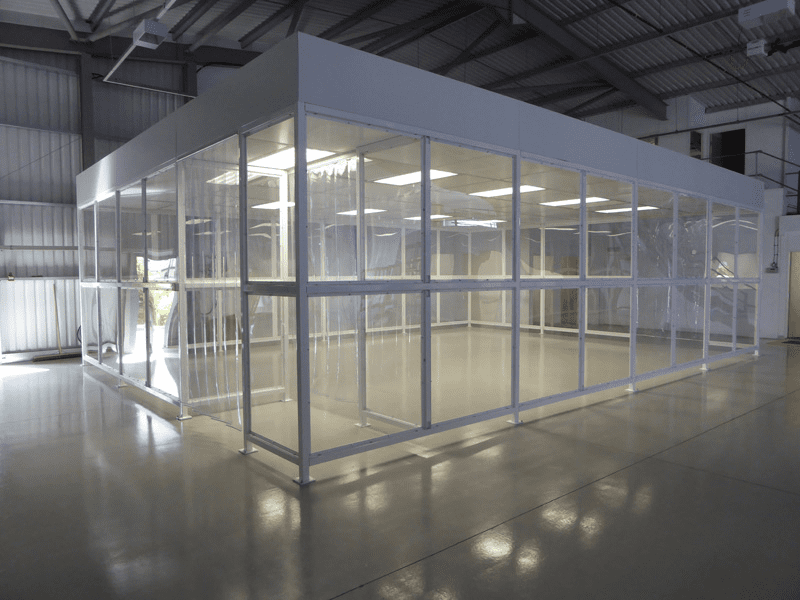
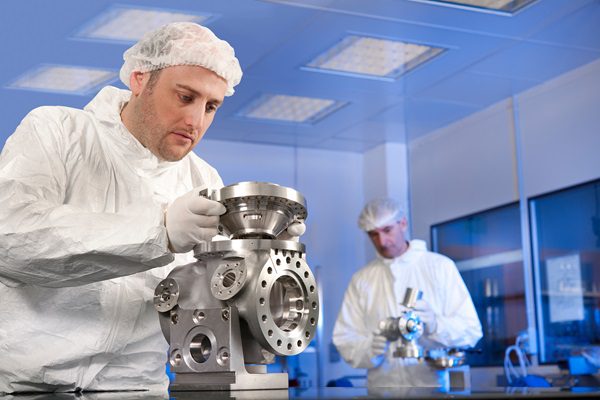
The design of a cleanroom is crucial. If it is not designed correctly, the room will be unable to fulfil its purpose and cannot be used. To ensure a cleanroom is designed correctly, a wide range of factors must be taken into account, such as the available space and the intended use. Furthermore, effective planning, communication and, in general, sound management of the entire project are also essential.
Cleanroom design is an aspect that must be considered before construction even begins, before the overall architectural design. The correct layout of elements is key to maximizing space utilization and improving the efficiency of the processes carried out within.
Therefore, cleanroom design has a significant impact on the final outcome of projects, making it essential to consider both the safety of the room and its conceptual design.
When undertaking a project with a future-proofing approach, we must consider a fundamental element: safety. This is the cornerstone of the design and the basis upon which the processes to be developed will be built. Safety must always be the central element in cleanroom design, both for the protection of the operators working within it and, in certain sectors, for the safety of consumers. It is imperative that the cleanroom design complies with all applicable legal safety standards.

In this cleanroom design phase, we will decide on and select the necessary technical solutions, services, and equipment, taking into account the dimensions of the buildings and premises and their interaction to optimize production flow. We will also estimate the overall timeline and the costs associated with each project.
Conceptual design provides a comprehensive overview of the project's characteristics and offers a perspective for analyzing its strengths and weaknesses, anticipating future growth needs, and developing alternative solutions. This design will also integrate spaces, personnel, processes, services, and supplies. Furthermore, it will inform the flow of activities, addressing any potential incompatibilities and conflicts.
Once we reach this point, we must enhance quality communication with the client, seeking a customized solution to achieve the objectives set at the beginning of the design phase before starting cleanroom construction. In this way, proper project management from the outset allows us to encompass all aspects under a single guideline, maintaining control over design concepts, material and equipment selection, engineering, installation, validations, and the associated quality system.
Effective project management should include comprehensive project management, coordination and direction of local control systems, civil works, interior architecture, energy supplies, air treatment, electrical and control systems, as well as mechanical installations, special services, specific installations, and equipment.
Finally, LABSOM advises its clients through a comprehensive network of highly qualified professionals, as well as collaborators and specialists capable of addressing any aspect related to the comprehensive management of the project.

And, once the design is complete, we also have equipment and process lines focused on cleanroom construction, using high-tech components and customized software. The experience of LABSOM's multidisciplinary technical team allows us to develop the best tailored solutions for each installation.
We comply with each and every requirement of the Cleanroom regulations, the European Low Voltage Directive (EC), the National Electrical Code (NEC), and the standards set by the National Fire Protection Association (NFPA).
All the engineers who work with us operate under MEC (Mechanical, Electrical, Plumbing) criteria, and we have specialists for each field.
Basically, designing a cleanroom involves analyzing what elements we need, either for safety or usability, and designing how these will be technically incorporated into the room so that we can later build it.
Yes, from the conceptual design to the architecture and engineering of the room and subsequently its construction, at Labsom we have the professionals and equipment to manage the entire cleanroom project.
Yes, it is essential that the design of a cleanroom allows the processes to be carried out inside to be performed in the most practical and safe way possible, something that is only possible if the room has been designed taking into account all the specific elements and characteristics that the room must have as well as those that it might need in the future.
All safety-related elements must be considered in the cleanroom design. Even for protocols not related to the room's physical characteristics but, for example, to the safety of the employees who will use it, ensuring their safety requires modifications to the cleanroom design to guarantee maximum safety in all aspects.